

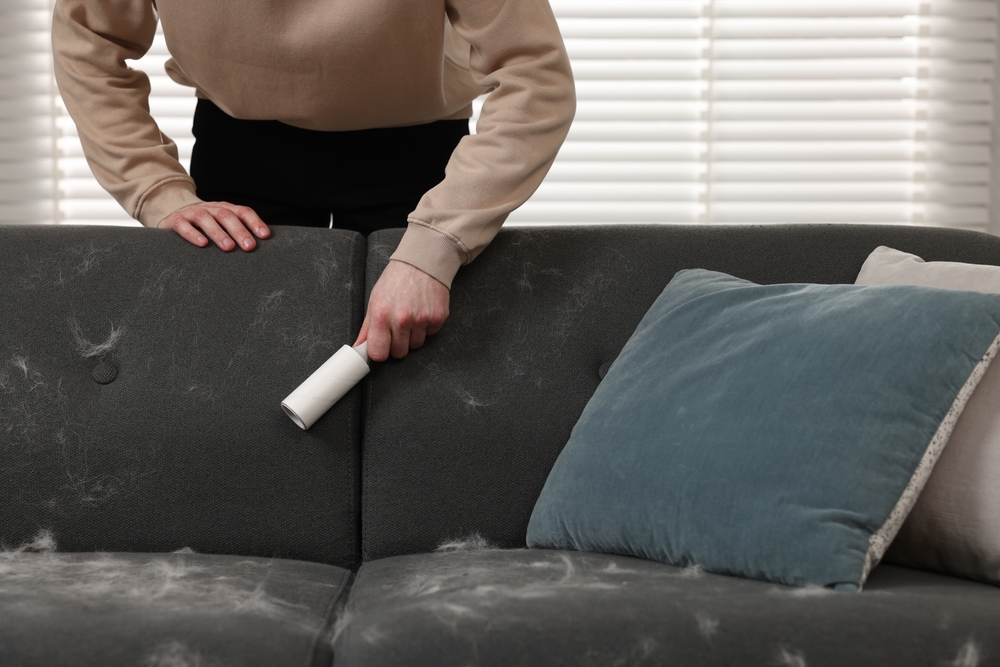
If you live with a dog or cat, you probably know the struggle: you clean the couch, turn around, and somehow there is already a fresh layer of fur covering it. Car seats can be even worse, especially when pet hair gets pressed deep into the fabric and refuses to budge.
The good news is that you don’t need an expensive gadget or a pile of disposable lint rollers to tackle it. One of the simplest tricks is already sitting under your kitchen sink: a rubber glove.
A slightly damp rubber glove can gather loose and stubborn pet hair into little clumps, making it much easier to pick up. The method works particularly well on many fabric upholstery surfaces, and it can be adapted for car seats too.
What You’ll Need
You only need a few things:
- One clean rubber household or dishwashing glove
- A small amount of water
- A vacuum with an upholstery or crevice attachment, if available
- A clean microfiber cloth for the final touch
That’s it. No special pet-hair remover is required.
The 5-Minute Rubber Glove Trick
1. Start With a Dry Surface
Before reaching for water, remove cushions, blankets, toys and other loose items from the area. If you’re cleaning a car, take out removable mats and shake off loose debris first.
Starting with a reasonably dry surface helps prevent dirt and hair from turning into a damp mess.
2. Lightly Dampen the Glove
Put on your rubber glove and run it briefly under water. Then shake or wipe off the excess.
The glove should be slightly damp, not wet. Too much water can leave upholstery damp and may push dirt farther into the fabric.
Always check the care instructions for your couch or vehicle upholstery and test the technique on a hidden area first, particularly with delicate or light-colored materials.
3. Sweep in One Direction
Now run your gloved hand across the fabric using firm, overlapping strokes.
Instead of scrubbing randomly, work in one direction. As you move across the surface, the rubber’s texture and friction help gather the loose hair into little rolls or clumps.
Once you have a small pile, simply pick it up and toss it away.
For a couch, work cushion by cushion. For a car seat, pay extra attention to the front edge, seat crease and areas where your pet usually sits.
4. Don’t Forget the Seams
This is where pet hair loves to hide.
Run your gloved fingers along seams, corners, piping and the gaps between cushions. On car seats, check the space between the seat back and cushion and around the seat edges.
If the hair is particularly stubborn, repeat the motion several times rather than pressing harder. Rubber gloves are especially useful in curved areas and tight spots where a lint roller may struggle.
5. Finish With a Quick Vacuum
Once you’ve gathered the majority of the hair into clumps, vacuum the remaining bits.
Use an upholstery attachment on the couch and a narrow crevice attachment for car-seat gaps. The key is to loosen the hair first and vacuum second. That combination is generally more effective than expecting the vacuum to pull every embedded strand directly from the upholstery.
Why This Little Trick Works
Pet hair doesn’t simply sit on top of upholstery. Depending on the fabric’s texture, individual strands can become tangled between fibers and held in place by friction and static.
A rubber glove gives you something a vacuum can’t: direct contact with the fabric. As you move your hand across the upholstery, the glove gathers the hair together so you can remove it in visible clumps instead of chasing individual strands around the couch.
And because the glove is reusable, you can rinse it clean and use it again the next time your pet decides the sofa is their personal bed.
What About Leather Car Seats?
Leather and faux-leather surfaces are much easier because hair generally sits on top rather than becoming deeply embedded.
Skip the damp-glove routine if it isn’t necessary. Instead, use a clean, slightly damp microfiber cloth to gather loose hair. Follow the vehicle manufacturer’s cleaning instructions, particularly if the seats have a protective coating or special finish.
A Few Mistakes to Avoid
Don’t soak the upholstery. A dripping glove isn’t more effective. Excess moisture can leave marks and may penetrate cushions.
Don’t attack delicate fabric with aggressive tools. Rough stones, blades and abrasive tools can damage upholstery fibers. Fabric type matters, so test unfamiliar cleaning tools in a hidden area first.
Don’t rely on a lint roller for everything. Sticky rollers are handy for quick touch-ups, but they can become tedious when you’re dealing with a large amount of embedded hair.
Don’t forget under the cushions. Some of the biggest hair collections are hiding where you can’t see them.
Make It Even Easier Next Time
If your pet has a favorite couch cushion or car seat, prevention can save you a lot of cleaning time.
Place a washable throw or pet blanket over their favorite spot and wash it regularly. Keep a rubber glove or reusable pet-hair remover somewhere convenient, so you can do a quick cleanup before the hair has a chance to become deeply embedded.
A two-minute touch-up every few days can be much easier than waiting until your couch looks like it has grown a second coat.
The Bottom Line
When pet hair takes over your couch or car, don’t immediately reach for an expensive cleaning gadget. Grab a rubber glove, dampen it lightly and sweep the upholstery in one direction.
The hair should gather into manageable clumps that you can pick up before giving the surface a quick vacuum.
It’s cheap, reusable, simple and—best of all—takes only a few minutes. For busy pet parents, that’s a cleaning trick worth keeping in your back pocket.