


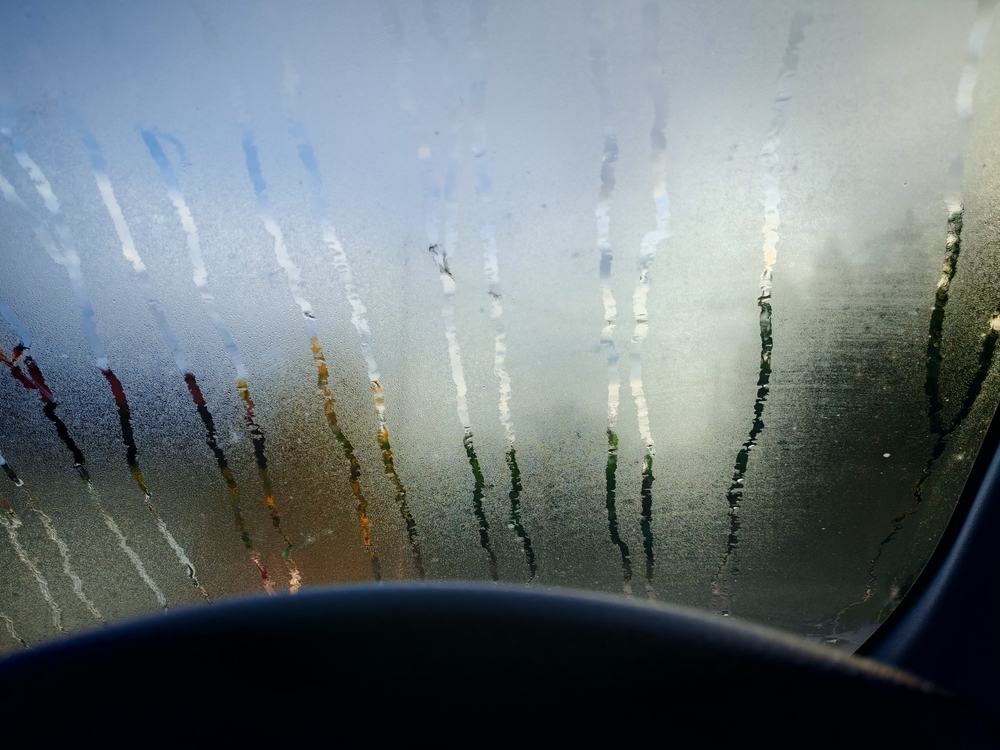
A foggy windshield always seems to happen at the worst possible moment. You’re already running late, it’s raining outside, or the morning air is chilly—and suddenly your windshield turns into a cloudy sheet of glass.
The good news? You usually don’t need a special spray, towel, or complicated trick to clear it. Your car’s climate-control system can often do the job in just a few minutes if you use the right settings.
Here’s the simple five-minute fix that can get your visibility back without a lot of fuss.
Why Does Your Windshield Fog Up?
That misty layer is usually condensation. When warm, humid air inside the car meets the cooler windshield, moisture collects on the glass and creates the familiar fog.
Things like wet clothes, umbrellas, rainy weather, multiple passengers, and even your own breath can add moisture to the cabin.
The important thing is to remove that moisture rather than simply moving the air around.
The 5-Minute Defogging Trick
1. Press the Defrost or Defog Button
Look for the dashboard button showing a windshield with three wavy arrows pointing upward.
This setting directs airflow toward the windshield, which is exactly where you need it. Many modern vehicles automatically adjust other climate settings when you select this mode.
2. Turn Recirculation Off
This is the step many drivers overlook.
If your car is set to recirculate cabin air, you’re essentially keeping the moisture trapped inside. Switch to fresh/outside air instead.
Fresh air helps replace the humid air inside the cabin, making it easier for the windshield to clear.
3. Turn the A/C On
Yes, even when you’re trying to warm up the car.
The air-conditioning system can help remove moisture from the air, which is why manufacturers commonly recommend using A/C while defogging.
You don’t necessarily have to make the cabin cold. Set the temperature to a comfortable warm level while allowing the A/C to dehumidify the incoming air.
4. Turn the Fan Up
Set the blower to a high setting temporarily.
More airflow across the windshield means the humid air is being replaced and dried more quickly. Some vehicles automatically increase fan speed when Max Defrost is selected.
Give it a minute or two rather than repeatedly wiping the glass with your hand.
5. Give It a Few Minutes Before Driving
This is the part worth remembering: don’t drive while your visibility is still impaired.
Let the windshield clear enough that you can see properly in every direction. Once the glass is clear, you can reduce the fan speed and adjust the temperature to your preferred setting.
If your car has an automatic climate-control or auto-defogging feature, use it. Some newer systems can detect moisture and automatically switch on A/C, select fresh air, direct airflow toward the windshield, and increase fan speed.
What If the Fog Is on the Outside?
Not every foggy-looking windshield is fogging on the inside.
If moisture is collecting on the outside, your wipers are usually the first thing to try. If the windshield is wet from rain or condensation, make sure your wipers are in good condition and can clear the glass properly.
For frost or ice, don’t simply rely on the wipers. Use your vehicle’s appropriate defrost function and remove ice safely before driving.
Keep Your Windshield Cleaner
A surprisingly simple prevention trick is keeping the inside of the windshield clean.
Dust, fingerprints, oily residue and cleaning-product buildup can make condensation more noticeable and leave the glass looking hazier. Clean the inside periodically with a suitable automotive glass cleaner and a clean microfiber cloth.
Also check for sources of excess moisture inside the vehicle. Wet floor mats, damp clothing, umbrellas and water leaks can all contribute to a humid cabin.
A Few Things You Shouldn’t Do
When visibility disappears, it can be tempting to improvise. But some shortcuts aren’t worth it.
- Don’t drive with a partially obscured windshield.
- Don’t rely on wiping a small viewing patch with your hand.
- Don’t leave recirculation running when the interior is humid and the windows are fogging.
- Don’t use abrasive materials on the glass.
- Don’t assume every vehicle’s controls work exactly the same way.
Your owner’s manual is the best source for vehicle-specific climate-control instructions, especially if your car has automatic defogging or specialized windshield features.
The Easy Formula to Remember
When your windshield suddenly starts fogging, think:
Defrost → Fresh Air → A/C → High Fan → Wait Until Clear
That’s it.
The next time your windshield disappears behind a layer of mist, resist the urge to panic—or start frantically wiping the glass. A few correct climate-control adjustments can often clear it surprisingly quickly.
And most importantly, visibility comes first. If the windshield isn’t clear, don’t move the car until it is.