
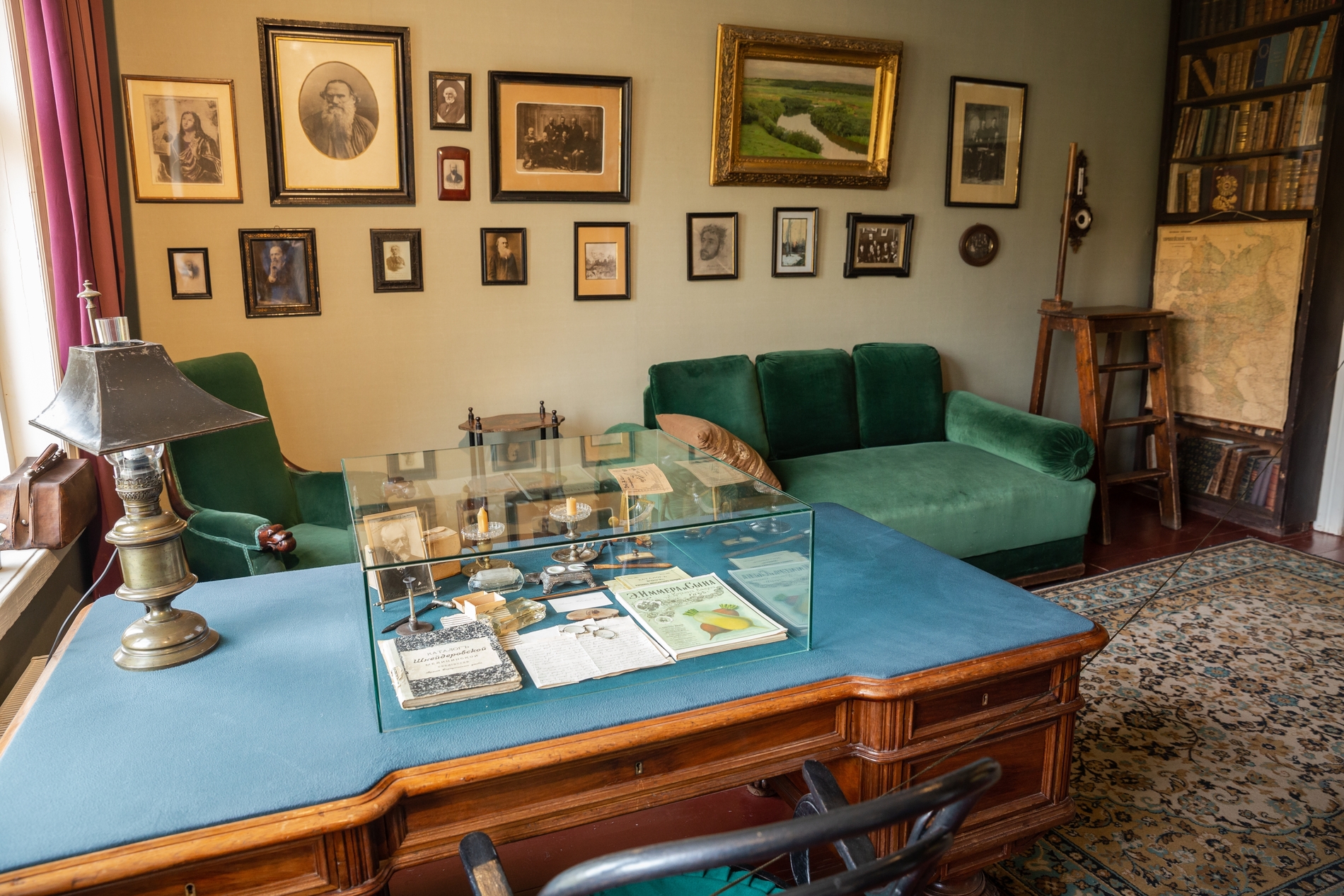
Instead of storing interesting objects in drawers or boxes, you can create a museum-style exhibit inside your home.
Your tiny home museum can feature:
- Vintage gadgets
- Travel souvenirs
- Coins and currency
- Cameras
- Books
- Fossils
- Family heirlooms
- Gaming memorabilia
- And more
The goal is to make ordinary objects feel extraordinary through presentation and storytelling.
What You Need
- Bookshelf, cabinet, or floating shelves
- Small display stands
- Picture frames or label holders
- LED puck lights or LED strips
- Cardstock or thick paper
- Double-sided tape or adhesive putty
- Scissors
- Printer (optional)
Optional Extras
- Glass display case
- Magnifying glass
- Small spotlights
- QR codes linking to videos or stories
- Decorative fabric or wood panels for the background
Step 1: Choose a Theme
A museum looks much better when everything follows a theme. Here are some example ideas you can follow for your home museum:
- The History of Mobile Phones
- Objects From Childhood
- Space Exploration
- Classic Video Games
- Family History
- Strange Finds From Nature
Choosing one theme creates a professional-looking exhibit.
Step 2: Make Your Collection
You don’t need expensive antiques to build a fascinating home museum. Many interesting objects can be found for little or no cost if you know where to look.
Some of the best places include:
- Your attic or storage boxes – Old cameras, watches, coins, postcards, and family photographs.
- Garage sales and yard sales – These are great for finding vintage household items, books, and collectibles at low prices.
- Thrift stores and charity shops – You can find typewriters, vinyl records, decorative objects, and retro electronics.
- Flea markets – A popular source for antique keys, maps, clocks, military memorabilia, and unique collectibles.
- Antique stores – Ideal if you’re looking for authentic historical pieces, though they may be more expensive.
- Travel souvenirs – Tickets, currency, magnets, shells, and brochures from your trips can become part of a travel-themed exhibit.
- Nature walks – Collect interesting rocks, fossils (where legally permitted), pine cones, or unusual leaves to create a natural history display.
- Family members – Ask parents or grandparents if they have old letters, tools, medals, or household items they no longer use.
Pro Tip: The story behind an object is often more interesting than its monetary value. A ticket from your first concert or an old family camera can make a better exhibit than an expensive collectible with no personal connection.
Step 3: Arrange the Display
Place larger objects at the back and smaller ones toward the front. Leave some space between items so each piece stands out. Try different layouts until the display feels balanced.
Step 4: Create Museum Labels
Every museum tells a story. Create small labels that include:
- Object name
- Year (if known)
- Where it came from
- Why it’s meaningful
Example:
Old Film Camera
Used on a family trip in 1998. One of the first cameras in our home.
Step 5: Add Lighting
Lighting dramatically improves the display. You can use:
- Warm white LEDs for a classic museum feel
- Spotlights for highlighting special items
- LED strips hidden behind shelves for a modern look
Avoid harsh overhead lighting that creates strong shadows.
Step 6: Add Interactive Elements
Make the museum more engaging by adding:
- QR codes linking to videos
- Audio recordings explaining the objects
- Small maps showing where items came from
- Printed timelines
These features make even a small collection feel immersive.
Step 7: Finish the Display
Step back and check:
- Are the labels easy to read?
- Is the lighting even?
- Does the arrangement look balanced?
- Can each object be appreciated without clutter?
Make small adjustments until the display feels complete.
Keep Expanding Your Museum
The best part is that your museum can grow over time. Whenever you find an interesting object, add it to the collection along with its story. Eventually, you’ll have a unique exhibit that reflects your experiences and interests that no store-bought decoration can replicate.